
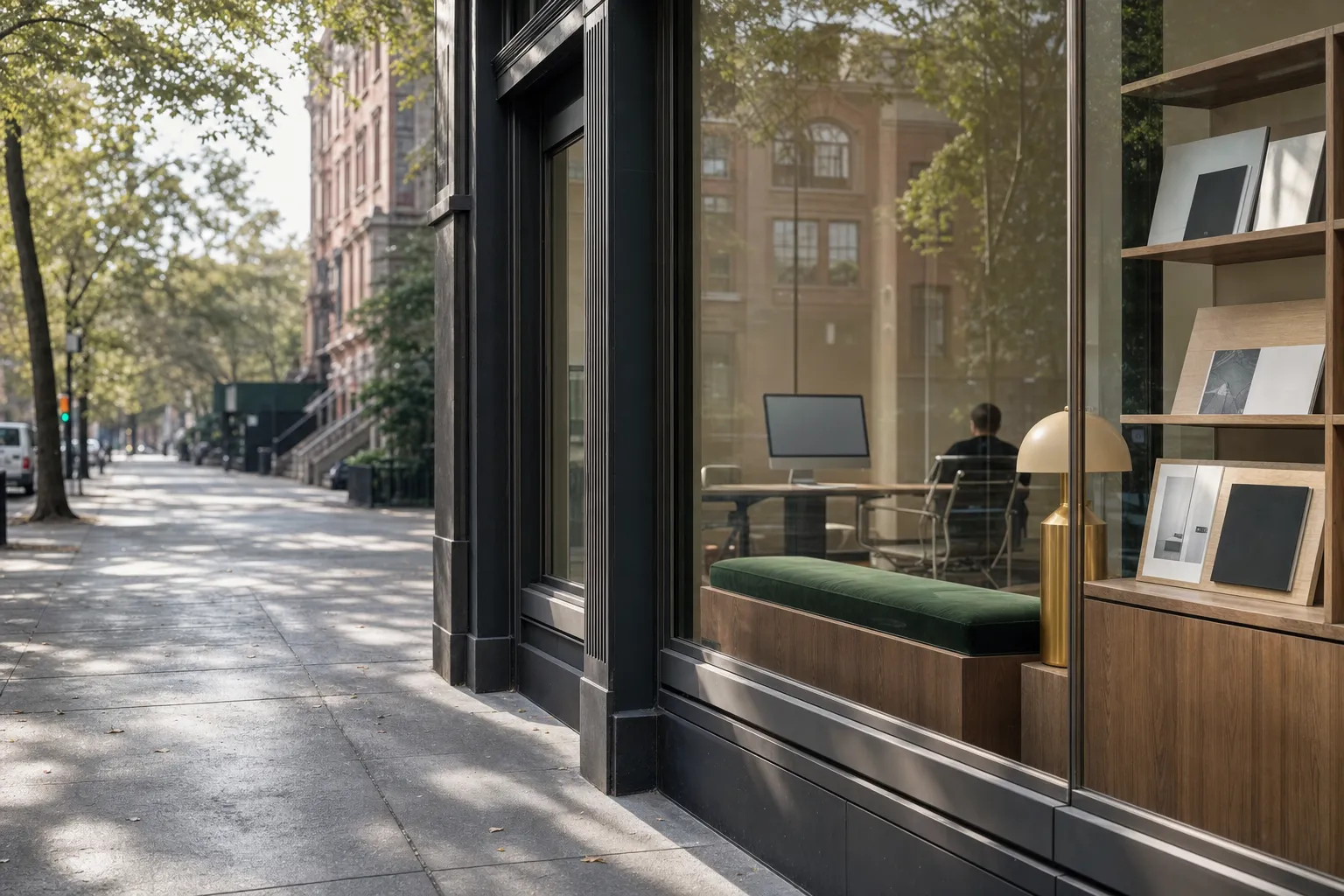
We start web design by focusing on content efficacy, which means aligning your core message, target audience, and the actions you want visitors to take. In the first conversation we map goals, surface the most important content, and agree on simple metrics to measure success.
How we begin a project, step by step
- Discovery call. We ask who your customers are, what decisions they need to make, and what success looks like for your business. This is where we connect strategy to the work in our web design service.
- Content and analytics review. We review existing pages, Google Analytics or other data, and any customer feedback you have. That helps us find the highest impact content to prioritize.
- Define success metrics. We set measurable goals, such as qualified leads, appointment requests, or product conversions, and the key pages that must support those goals.
- Sitemap and quick prototypes. We sketch a simple structure and clickable wireframes so stakeholders can see and test the proposed content flow early.
- Technical and hosting checklist. We note performance targets, accessibility considerations, and hosting needs so the design work aligns with technical realities from day one.
What we mean by content efficacy
Content efficacy means messages, calls to action, and supporting information work together to move the right visitors toward your goal. It is not copywriting alone. It is wording, information architecture, visual emphasis, and technical performance combined so visitors quickly understand value and next steps.
We cover content efficacy in detail on our topic page about content efficacy, where we explain how clarity, hierarchy, and metric driven testing reduce friction and improve conversion over time.
What we examine in the first meeting
Early project checklist
- Primary customer and typical task you want them to complete.
- Top performing and low performing pages from existing analytics.
- Brand assets, photography, and tone of voice guidelines.
- Current technical constraints, including hosting and CMS access.
- Regulatory or accessibility requirements for your industry.
For businesses in the Garment District, New York we also discuss local discovery signals and walkability factors that affect how customers find and use your site. That local context shapes content and on page details from the start. See our Garment District location page for neighborhood specifics.
Practical markers of a successful first phase
- An agreed list of priority pages and the main message for each.
- Baseline analytics and the conversion events we will track.
- A clickable layout or wireframe that shows the content hierarchy.
- Technical acceptance criteria for performance and accessibility.
- A timeline for content completion and review cycles.
Pro tip: Early wins come from simplifying choices for visitors. Reducing the number of competing calls to action on priority pages often improves conversion more than small design changes.
How our VIP Concierge approach shapes the first conversation
We coordinate design, copy, SEO, and hosting from day one so decisions are made with all disciplines in view. That VIP Concierge approach reduces rework, keeps messages consistent, and speeds launch without sacrificing performance.
When we recommend priorities we balance customer psychology, brand presentation, and measurable outcomes so your site makes a credible first impression and supports long term growth.
Key takeaway
In the first conversation we focus on content efficacy, measurable goals, and a clear plan for priority pages. That focus makes the design phase faster and keeps the site aligned with what actually moves your customers to act.
Frequently asked questions
What should I prepare before our first conversation?
Share any analytics access, your top competitor sites, current brand assets, and a short list of customer questions you most often hear. This information accelerates the discovery work and gives us real signals to start testing.
How long does the discovery phase usually take?
Discovery varies by scope. For small business sites it is often one to two weeks of focused review and a single stakeholder workshop. For complex sites it can take longer to align content and technical requirements.
Will you write the content for our site?
We combine copywriting with design when clients want it. We recommend collaborative content work so subject matter and brand voice are accurate, and we handle editing, structure, and on page optimization when needed.
Do you consider local search and neighborhoods when planning content?
Yes. For local clients we plan location pages and on page signals that support discovery. Neighborhood context, like Garment District foot traffic patterns, influences content priorities and calls to action.
Learn more and check our local profile
Read related topics and services to see how we connect content, design, and measurement. You can also view our Google Business Profile to read reviews and get directions.